Systems & Embedded
Requirements, architecture and interfaces provide the basis for hardware and software. We define functions, states and real-time behaviour, aligning them with communication and the operating environment.
ETENAR develops and integrates control technology for industry and rail. From new systems to retrofit projects, we bring hardware, software and interfaces together with an agreed test and evidence plan.
Safe · Modular · Secure by Design
Background imageAI-generated concept visualisation
We take on agreed work packages or support the project through to commissioning. Inputs, deliverables and responsibilities are defined at the outset.
Requirements, architecture and interfaces provide the basis for hardware and software. We define functions, states and real-time behaviour, aligning them with communication and the operating environment.
Assess the existing system, documentation and field connections; reuse suitable components. Together with the project team, we plan migration, conversion stages and possible operational interruptions.
Formal specification, model checking and test automation support software and system testing. Methods, test cases and scope follow the task; results remain traceable to the requirements.
Document development decisions, test results and deviations. We support evidence planning, preparation for assessments and technical coordination with the parties involved. Applicable existing evidence can reduce repeated assessments and the time they require.
A discontinued assembly or a new function does not necessarily mean replacing the entire plant. We assess which control components, field devices, wiring and development results can be retained, and how to move to the intended system configuration.
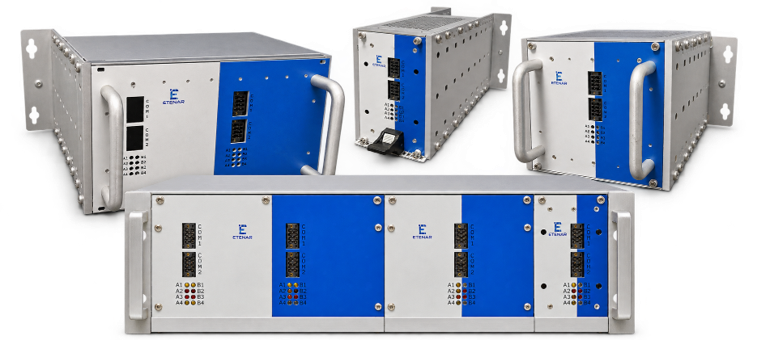
ETENAR Safe Config structures the system. ETENAR Safe Kit connects configuration and application development, providing a traceable basis for extensions and replacements.
Record functions, signal assignments, field connections, communication paths and software versions. Review available documentation, replacement needs and open assumptions together.
Select suitable building blocks and interfaces. Align installation stages, migration steps and potential downtime with the plant's requirements.
Examine changed functions and their effects on unchanged parts. Reuse existing evidence where it remains applicable and define additional testing.
Validate the interaction of components in the intended application. Bring configuration, application software, test results and released versions together for commissioning and ongoing maintenance.
We assess which results remain valid and where additional testing is required. Engineering and assessment can then focus on the change and its effects.
Suitable components, field connections and development results are taken into account. A limited replacement scope can reduce material, integration and testing costs.
Agreed stages, documented dependencies and an appropriate test plan help manage new functions and modernisation. Operational interruptions can be prepared in a targeted way.
The benefit: Save time and cost by taking useful existing assets and applicable evidence into account. New functions, replacements and modernisation remain traceable and easier to plan together with their effects.
Modularity and evidenceThe application, operating environment and system boundaries determine the relevant requirements. We agree the safety functions, required integrity, security objectives, and the scope of testing and evidence.
Applicable standards, regulations and editions are determined for each project. Assessment and supporting evidence relate to the agreed system boundaries and scope of work.
Collaboration can begin with a clearly defined work package. We agree the available specifications, intended result and handover to your team.
Review functions and interfaces, define the target configuration and prepare the transition. Assess the suitability of existing logic and development results for the new system baseline.
Project basisA migration concept, function mapping and an agreed test plan.
Bring requirements, I/O assignments and control logic together. Using the agreed ETENAR Safe Kit toolchain, we create and integrate the application for the selected hardware and its interfaces.
Project basisConfiguration, an application baseline and associated integration results.
For industrial projects, we discuss a test system with an example application. We agree the available configuration, test questions and scope so the findings can inform your system decision.
Project basisAn agreed evaluation scope, findings and next development steps.
Handover includes the agreed hardware and software, documented development baselines, test results and open issues. Usage rights, integration tasks and ongoing maintenance are assigned explicitly. This provides a traceable basis for commissioning, operation and subsequent changes.
A new development, an extension or an existing installation: together, we define the next technical step.
Discuss your project