System design
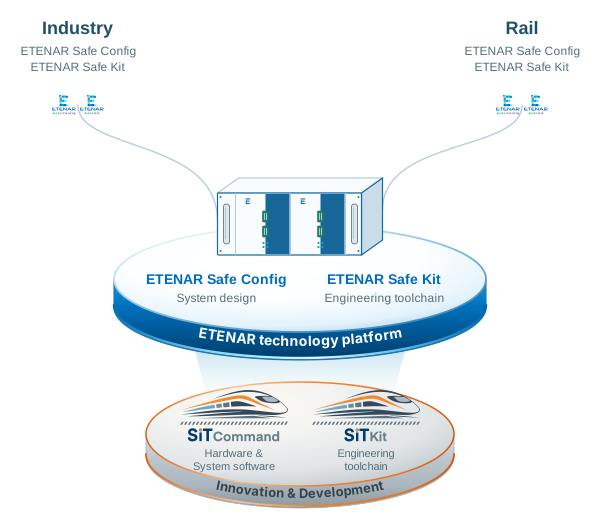
ETENAR Safe Config
Functions, computing resources, inputs/outputs and installation are matched to your application together with the associated system software.
- Module → assembly → segment → system.
- Digital, analogue and mixed I/O; compact or distributed architecture.
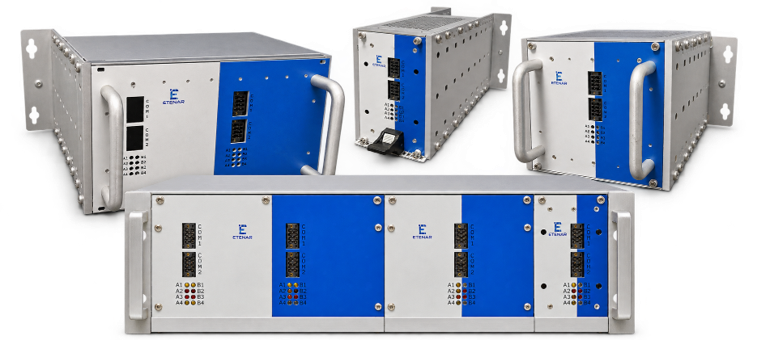
- DIN rail, 3U or project-specific installation, depending on the variant.
Result: Architecture, signal mapping and requirements for installation and integration. Clear assignments simplify coordination and help define the scope of later modifications.
Engineering toolchain
ETENAR Safe Kit
Tools and libraries based on SiTKit connect the system architecture with application logic – from configuration to subsequent extensions.
- Define functions; configure signals and topology.
- Implement the application; prepare integration and validation.
- C, C++ and IEC 61131: support depends on the toolchain version.
Continuity: Topology, application logic and tests remain linked to a traceable development baseline. Your team can assess existing results and build on them when changes are needed.
SiTCommand and SiTKit provide the innovation and development foundation of the ETENAR technology platform.

Generic hardware & system software
SiTCommand
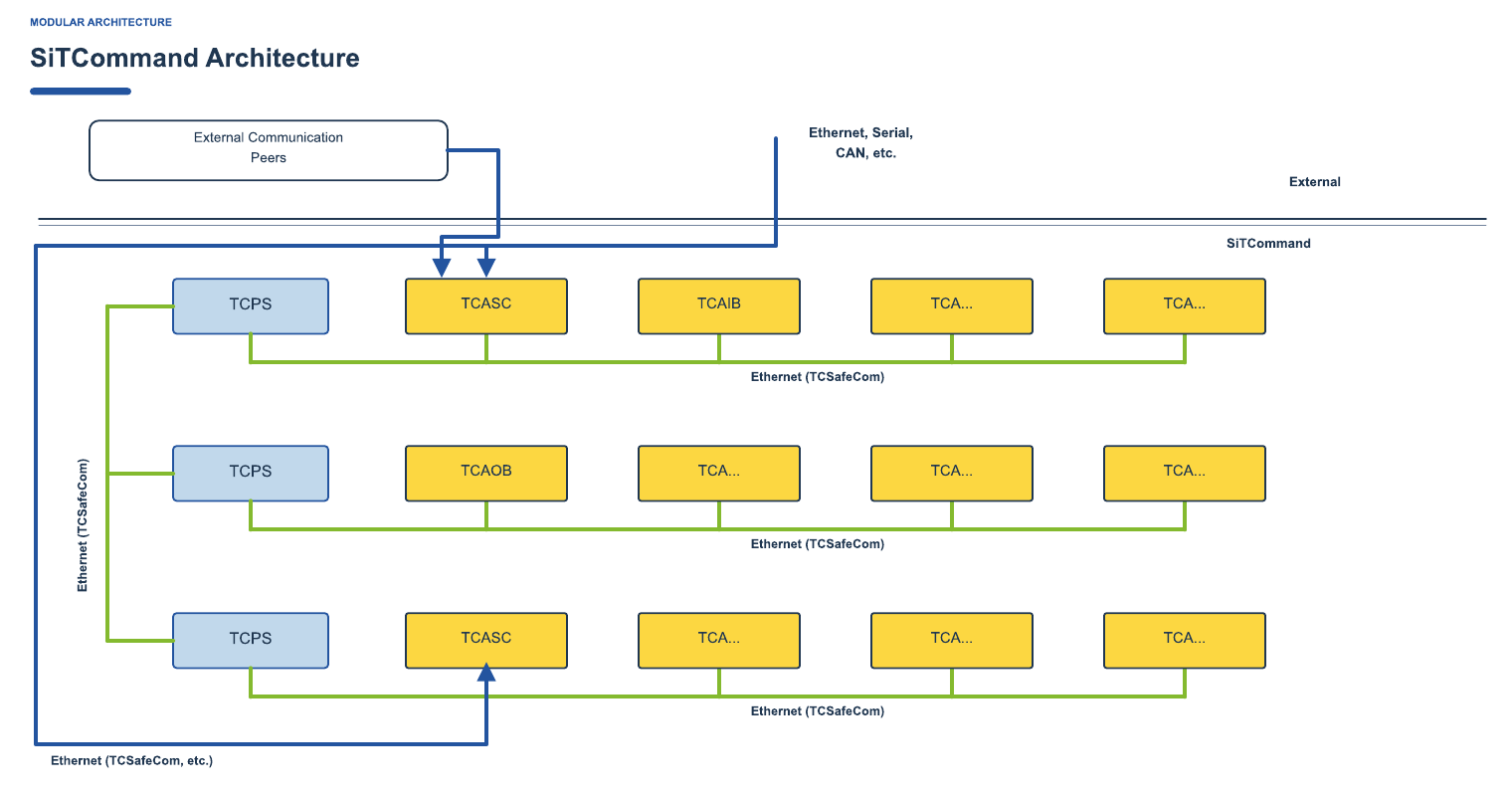
SiTCommand combines generic hardware with its system software. Functions, interfaces and software versions are specified for the selected variant.

Tools & libraries
SiTKit
SiTKit provides engineering tools and libraries for development and extensions. It forms the basis of the ETENAR Safe Kit toolchain.
The variant, tool functions, interfaces, usage rights and evidence are agreed according to the available version and the specific application.
Lifecycle · Modernisation · Obsolescence
When components are discontinued or new functions are required, the modular structure helps identify the affected scope. Suitable installed equipment and evidence that remains applicable can be carried forward into the next configuration.
- 01
Record the baseline
Hardware, software, configuration and existing evidence establish the starting point.
- 02
Assess the effects
Affected functions and interfaces are considered together with possible effects on unchanged parts of the system.
- 03
Test and document the change
Required modifications, integration tests and additional evidence are linked to the new system baseline.
Save timeReach the next system baseline sooner.
Evidence that remains applicable and clearly defined changes help avoid unnecessary repeated work. Engineering, additional testing and assessment preparation can be planned more precisely.
Reduce costsMake your investment last longer.
Suitable assemblies, interfaces and development work can be retained. This can reduce the replacement scope and the effort needed for development, integration and renewed evidence.
Manage changeUnderstand the effects early.
A new function, an extension or a replacement component is assessed together with its dependencies. Your team can trace the effort, testing scope and next steps.
Potential for suitable projectsMonths →to weeks
Reusing applicable evidence can shorten certification processes from months to weeks. This requires a clearly defined scope of change and coordination with the relevant assessment bodies; the actual time saving depends on the project.
Your benefit: less repeated development and testing, lower modification costs and more predictable development of your installation.
Modernisation in your project ↗Existing product and test evidence applies within its stated conditions of use. Assessment, conformity and authorisation requirements depend on the application, configuration and change.