Safe
Safety functions and risk reduction determine the architecture. Engineering, verification and validation are connected to the evidence for the specific application.
Safe Modular Secure by Design
Modular hardware, software and engineering for machines, plants and industrial processes. ETENAR Safe Config and ETENAR Safe Kit connect system design, application development and integration.
For new machines, plant extensions and modernisation, using shared technology across industries.

Background imageAI-generated concept visualisation
Safety functions and risk reduction determine the architecture. Engineering, verification and validation are connected to the evidence for the specific application.
Modules, assemblies and segments form the right control system. Inputs and outputs, system structure and communication are matched to the machine or plant.
Access, communication, updates and maintenance are planned from the outset. Protection measures depend on the product version and system integration.
A new machine, an additional plant module or modernisation: functions, signals and interfaces determine the right control solution.
Connect control functions and I/O close to the machine. Hardware, software and installation are aligned with the new machine or its next expansion stage.
Bring local functions and field signals together in a coordinated plant module. Extensions also account for interfaces to the wider process.
Plan separate units as a connected system. For modernisation, we review installed devices, cabling and interfaces, and agree a step-by-step migration.
ETENAR Safe Config and ETENAR Safe Kit connect the right system structure with the development of your industrial application.
We select modules and assemblies, map field signals to the appropriate inputs and outputs and plan installation, power supply and communication with the associated system software. Your functions and operating conditions guide the design.
Tools and libraries support configuration, application and extensions. Hardware and signal assignments are combined with control logic and interfaces to form a coordinated project basis.
Shared development basis: SiTCommand provides generic hardware and system software; SiTKit adds engineering tools and libraries. The current ETENAR offerings build on this foundation.
Explore the technology platformFrom a single module to connected plant sections, the structure follows your application's functions and interfaces. Local control tasks are planned together with communication to the wider system.
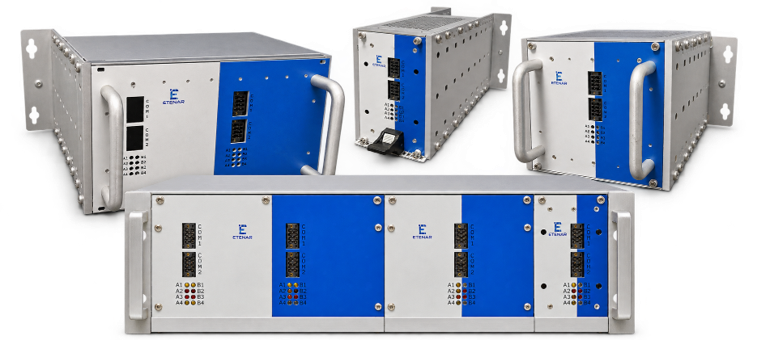

An individual module for processing, I/O or fieldbus functions.
Selected modules combined in one unit.
Assemblies for one functional part of the application.
Connected segments for the complete application.
Three areas that shape the system design.
Design digital and analogue field signals, power requirements and operating conditions together.
Select compact units, DIN-rail or 3U assemblies to match the available installation space.
Define connections, maintenance access and the response to connection failure across the system.
Configuration, control logic and tests belong together. When requirements change, we keep the documentation aligned.
Describe operating states, interfaces, control tasks and requirements.
Map signals, describe connections and coordinate the role of each segment.
Implement functions and interfaces using suitable reusable components.
Check the application, hardware and I/O together. Document the tested configuration for integration.
An additional sensor, a new function or another plant module starts with a review of the affected inputs, outputs and interfaces. Configuration, application and tests are aligned with the change. Suitable existing results remain usable; development, engineering and testing focus on the affected functions and their interaction with the complete system.
Available languages, interfaces, libraries and usage rights are specified for the selected toolchain version.
Modular development · Managing obsolescence
When components are discontinued or new functions are required, modernisation starts with the installed system. Field devices, cabling, field signals and safety functions are considered together.
We use this baseline to plan suitable assemblies and the necessary hardware, configuration and application changes. Usable parts of the plant and applicable evidence are incorporated into the solution.
Explore engineering and modernisationRecord devices, interfaces, operating conditions and the available documentation.
Assess new functions and potential effects on the rest of the plant.
Align testing and documentation with the change and its interaction with the complete system.
Applicable evidence can shorten additional testing and certification processes – potentially from months to weeks where the baseline is suitable. The scope of change and the required assessment remain decisive.
Usable field devices, cabling and assemblies remain part of the solution. Reusable engineering results and targeted tests help reduce replacement costs and duplicated engineering work.
An additional function or plant module is assessed together with its effects. Clearly defined changes and coordinated stages make expansion, migration and modernisation easier to plan.
This creates a traceable path for replacement, extensions and staged migration.
The specific change assessment determines whether a new conformity assessment is required. Component evidence is considered together with its conditions of use and integration.
Functional safety and cybersecurity accompany hardware, software and system integration, from requirements to supporting evidence.
Safety functions and required risk reduction determine architecture and fault responses. We connect development, engineering, verification, validation and test planning with supporting documentation and assessment support.
Access, communication, software changes and maintenance are planned together. TPM, Secure Boot, protected updates and AES encryption are options for the selected product version and system integration. Authentication, permissions, key provisioning and service access are defined within the protection and maintenance concept.
SIL 1 to SIL 3/4: Applicability, safety functions and assessment scope depend on the project and system configuration. Features and supporting evidence are specified for the selected version.
Project-specific reference points include IEC 61508, IEC 62061, ISO 13849, IEC 61511, ISO 25119 and ISO 10218. Industrial security requirements and assessment scope are defined in the context of IEC 62443 and the CRA.
Modular platform components and application-specific development come together in your control solution.
ETENAR develops and supplies control hardware, associated system software and application development. The agreed version is prepared for integration with the appropriate documentation. Hardware and software are brought together and tested for the application; extensions and modernisation remain part of the shared planning.
ETENAR and Safe.inTrain work together on architecture, hardware, software and testing. Product delivery and project responsibilities are agreed for each implementation.

A description of the machine or plant, planned functions, signals and interfaces. For modernisation, we also consider installed devices, cabling and available documentation of the existing system.
We review the affected inputs, outputs and interfaces, update configuration and application, and align tests and documentation.
Let's discuss functions, signals and the right integration for your industrial project.